NCIPL Earth Day Events 2020
|
|
|
|
|
|
|
|
|
|
|

|
|

|
|
By chris
by chris
|
|
|
|
|
|
|
|
|
|
|
|
|
|
|
By chris
by chris
The work of faith-based climate action is important to us because we know that we cannot Iove our neighbors without addressing climate change and environmental injustice. The same can be said for COVID-19. We know we cannot love, and stand with, the vulnerable in our society without taking the coronavirus seriously. That means following the guidelines issued by the CDC and World Health Organization, and limiting opportunities for the virus to spread.
NC Interfaith Power & Light (NCIPL) is rooted in following the clarity of rational science and collective action as a community. We welcome and follow the advice of experts and focus on the practical and effective ways we can take responsibility now. In addition to practicing good personal hygiene such as frequent hand-washing, covering sneezes and cleaning your living spaces, most knowledgeable scientific advisors are suggesting that “social distancing” is the most effective social gathering strategy to minimize the spread of coronavirus.
As we strive to move forward with courage and compassion, please 1) avoid large gatherings; 2) maintain at least 6 feet between people at any small gatherings; 3) avoid crowds; 4) and contact your health care providers via phone if you have any symptoms. NCIPL has postponed all upcoming in-person events and travel dates until further notice. Meetings and presentations may be offered via Zoom.
Lastly, we recognize that this is a difficult time made more difficult by isolation. If you are secluded and afraid, we offer a word of comfort. Though there is no need to panic, you are not alone in your feelings of unrest. Please reach out to your local faith community, a counselor, or a friend if you find yourself in need of someone to talk to. We are keeping you all in our thoughts and prayers.
In faith,
The NCIPL Team
Stay Updated: Additional North Carolina Coronavirus Information
For the most up-to-date information about what the state is doing and recommendations to keep yourself and your family safe while preventing the spread of the virus, please refer to the NC Department of Health and Human Services webpage. This page includes specific updated information and other state resource links.
NCDHHS is making several recommendations regarding community gatherings to slow the spread of coronavirus disease (COVID-19), and reduce the number of people infected. Faith-based organizations, whose members may include high-risk populations, should plan for the possibility of a COVID-19 outbreak in their local communities.
March 13, 2020 – NC Council of Churches: Faithful Responses to COVID 19
By chris
by chris
February 27, 2020
Contact: Susannah Tuttle, Director – NC Interfaith Power & Light susannah@ncipl.org 919-612-5526
NC INTERFAITH POWER & LIGHT LAUNCHES AD CAMPAIGN CALLING ON ELECTED OFFICIALS TO SUPPORT A 100% CLEAN ENERGY ECONOMY
RALEIGH, NC – Today, North Carolina Interfaith Power & Light (NCIPL) a program of the NC Council of Churches, comprised of 25 distinct judicatories from 17 denominations with 1.5 million congregants, launched a radio advertising campaign calling on our elected officials to address the climate crisis impacting communities across the state. The video specifically implores our elected leaders to support a 100% clean energy economy.
“The climate crisis has largely been ignored by many of our elected officials in Washington,” said Susannah Tuttle, NCIPL Director. “Meanwhile, North Carolina has been devastated by coastal flooding and extreme heat fueled by climate change. It is imperative that our Senators, Thom Tillis and Richard Burr, along with our state’s delegation in the House of Representatives, get behind efforts to transition to a 100% clean economy, including real investments in solar power.”
NCIPL’s advertisement calls on all North Carolinians, including all faith communities, to sign onto an online petition challenging our elected officials to support policies that advance solar power.
The radio ad, which can be heard here: Support a 100% Clean Energy Economy will begin airing today and will conclude on March 3rd. It will run on stations across the Raleigh-Durham market.
The Script of the 60 second ad:
North Carolinians are feeling the impacts of climate change – every day. In just the past two years, our coasts have flooded, and in 2019 severe heat led to nearly four thousand emergency room visits. We must fight climate change to ensure a better world for our children and vulnerable communities. We can do that by demanding our leaders act on climate by promoting a 100% clean energy economy that includes real investments in solar power. So today — I’m asking you, and all North Carolina faith communities, to call on our elected leaders to protect God’s creation. Join me in safeguarding our health by supporting clean energy and sign the pledge at www.ncipl.org/solar. Our leaders have a moral responsibility to respond to the climate crisis. Now. Paid for by North Carolina Interfaith Power and Light, a program of the North Carolina Council of Churches.
About North Carolina Interfaith Power & Light
North Carolina Interfaith Power & Light, a program of the North Carolina Council of Churches, connects the faith voice of North Carolina around climate change, encouraging mitigation of the effects and resilient communities through its programs and engaging in the public policy process by advocacy with compassion. We speak for what we love and take action for the future of our children and the children of all species. For more information, visit https://ncipl.org/.
By chris
by chris
Op-Ed written by Michelle Peedin, NCIPL Youth Leaders Coordinator, published in the Winston-Salem Journal. Click here to access the article on their site.
With the crispness of the fall season normally comes the bounty of the harvests, as grocery stores and farmers markets throughout the state overflow with all the varied agriculture that North Carolina has to offer. North Carolinians depend on the western apple orchards and eastern sweet potatoes to prepare staple dishes for the holidays. However, as is increasingly common, these harvests are feeling the effects of climate change — and so are those working in the fields. Here in North Carolina, and across the country, there are few more vulnerable than farmworkers, a population that is working hard to gain rights but will only face more challenges because of climate change.
From increasingly frequent and severe heatwaves to lower crop yields to higher risk of mosquito-borne diseases, climate change is already affecting the health of farmworkers and impacting their ability to economically sustain themselves. After a string of weather-related disasters created one of the worst years for agriculture in decades, fa
rm owners are facing extraordinary uncertainty this year as climate change-fueled extreme weather ravages otherwise productive land. Increasingly, climate change is resulting in greater instability for farmworkers, with harsher working conditions and dwindling yields resulting in fewer working hours and more risk. For farmworkers, if you don’t work, you don’t get paid.
For those who labor in our North Carolina fields, a population that is overwhelmingly Latinx immigrants, that uncertainty extends beyond their paychecks and into their physical and mental health. As a fellow with Student Action with Farmworkers, a nonprofit organization dedicated to improving the lives of farmworkers and their families, I witnessed the unimaginable conditions farmworkers endure on a daily basis while working and living in the fields. I saw farmworkers returning to cramped living quarters with no air conditioning after having worked 12-hour days in 100+ degree temperatures. With rising temperatures affecting agricultural industries around the country, outdoor laborers face a far greater risk of heatstroke, dehydration and kidney failure as a result of their environment. In an industry that is rife with abusive labor practices, these conditions all add up to make an already difficult workplace all the more precarious.
As a first-generation child of an immigrant mother, I’ve seen firsthand how these climate-fueled health disparities are affecting both documented and undocumented communities throughout North Carolina. Migrant farmworkers, in addition to many other Latinx and undocumented communities, stay in homes that are often susceptible to flooding. I remember reading heartbreaking stories of Latinx families who lost everything after Hurricane Florence. Extreme weather events, like Florence, are made more severe by climate change and have a disproportionate effect on those who work outdoors.
In addition to climate justice issues such as hurricane impacts, environmental justice issues such as water and air quality are prevalent in many local communities, too. Nationwide, insufficient access to health care among Latinx populations is one reason why children in these communities are 40% more likely to die as a result of an asthma attack compared to white children. Couple this with the fact that an estimated 39% of Latinx families live within 30 miles of a polluting power plant, and we begin to see the unique ways in which a failure to act on climate change is a particularly dire failure for communities of color.
Addressing the root cause of these injustices is going to require much more than just talking about it – we must commit to transitioning to a 100% clean energy economy. With Hurricane Florence alone costing North Carolinians nearly $17 billion, it’s clear that nothing short of bold action will suffice.
Unfortunately, our senators, Thom Tillis and Richard Burr, recently sided with big polluters over the health and wellbeing of our state by voting to support the Trump administration’s so-called “Affordable Clean Energy (ACE) rule,” which would extend the lives of dirty coal plants and do absolutely nothing to curb the carbon pollution behind climate change. While farmworkers and Latinx communities are bearing the brunt of climate change’s devastating impacts, our senators have shown themselves to be more interested in lining industries’ pockets than in taking action on climate and helping transition North Carolina to a 100% clean energy economy.
For the sake of vulnerable laborers, hardworking Latinx immigrants, and all North Carolinians, we must act on climate. It’s time our senators do the same. Join me as we call on our elected officials to take action now.
By Michelle Peedin, Program Coordinator, Partners in Health and Wholeness
by Michelle Peedin, Program Coordinator, Partners in Health and Wholeness
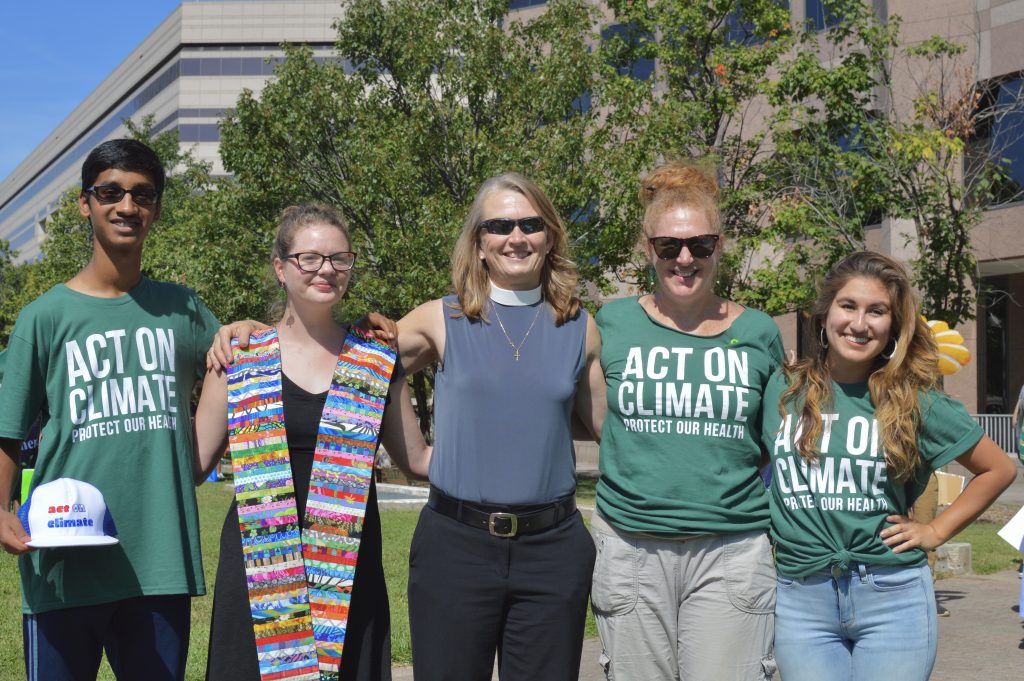
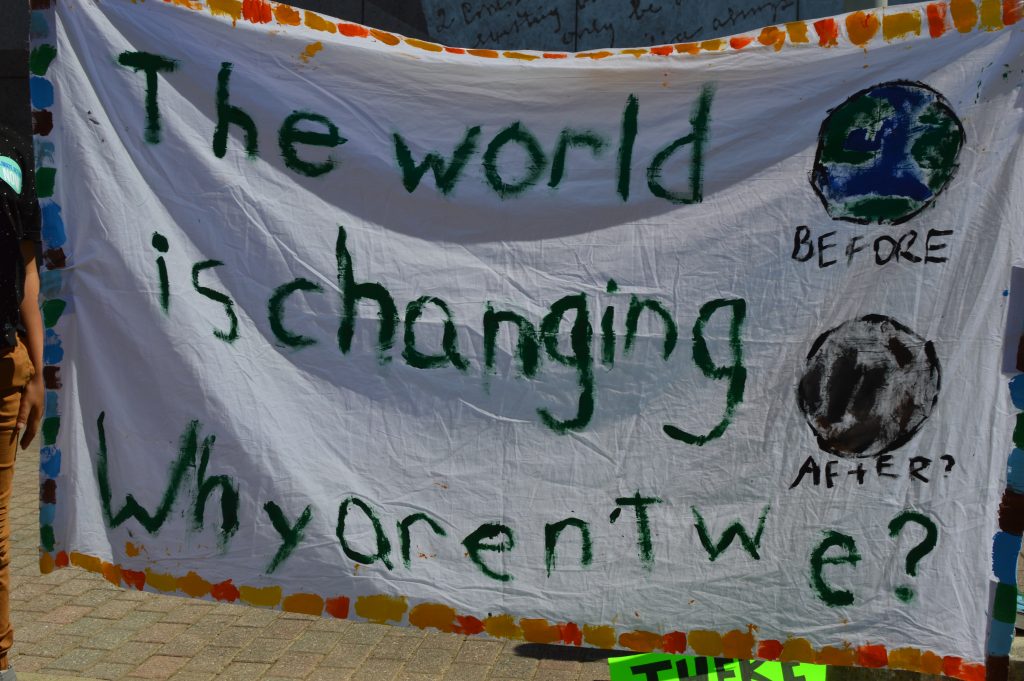
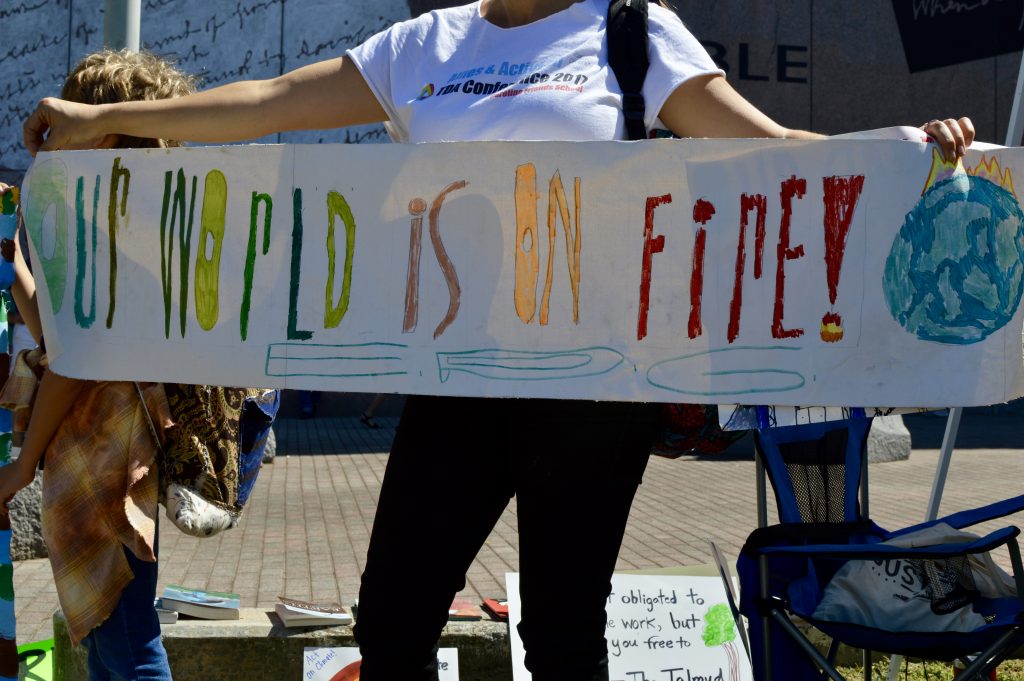
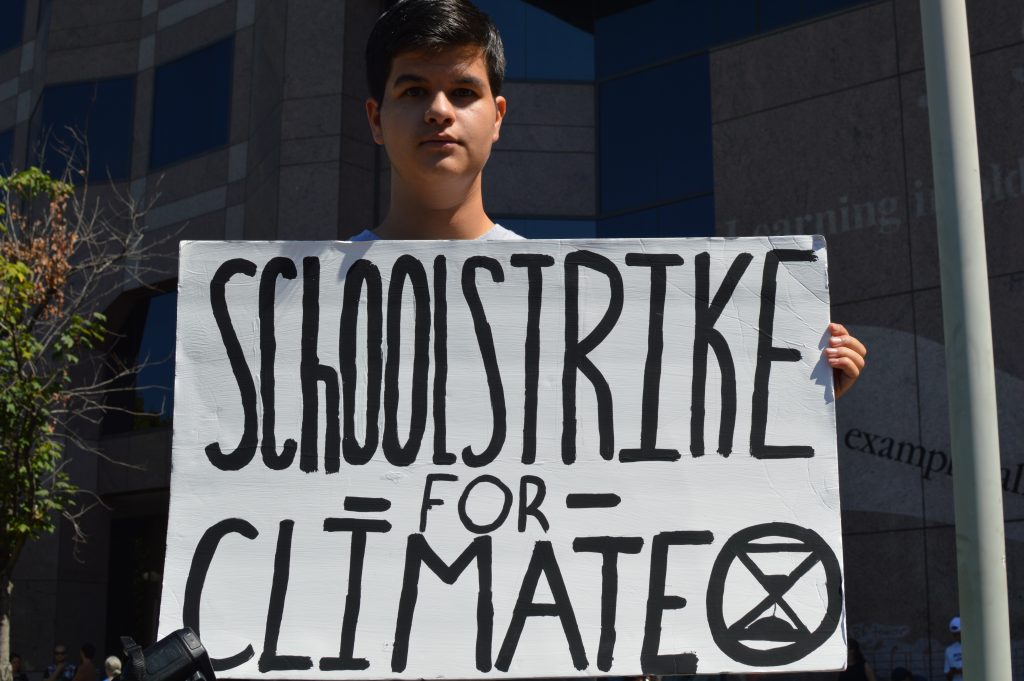
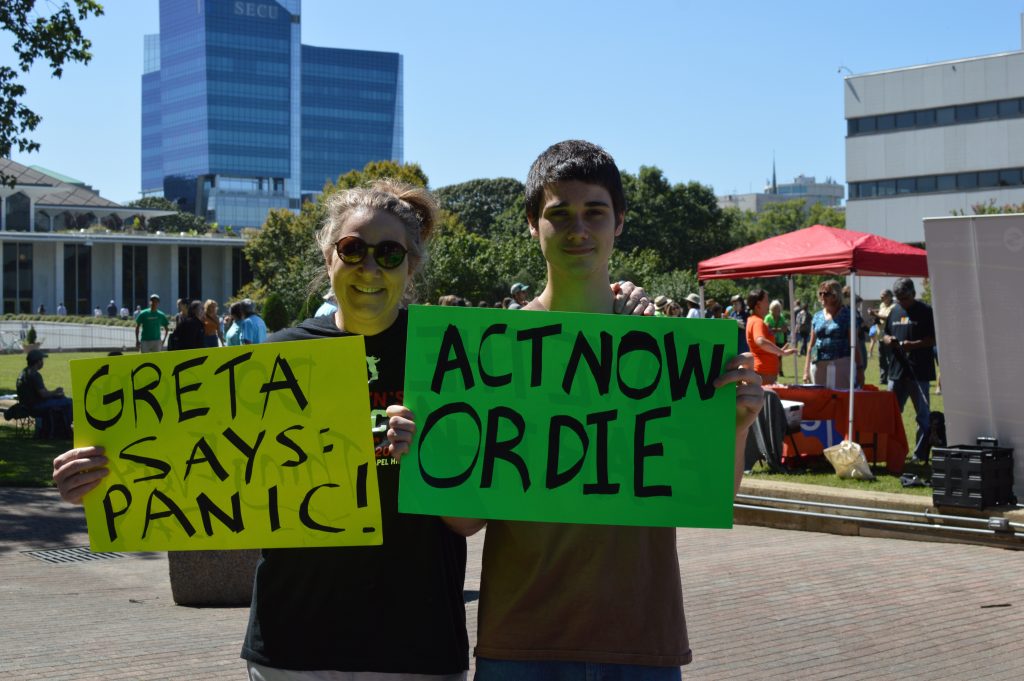
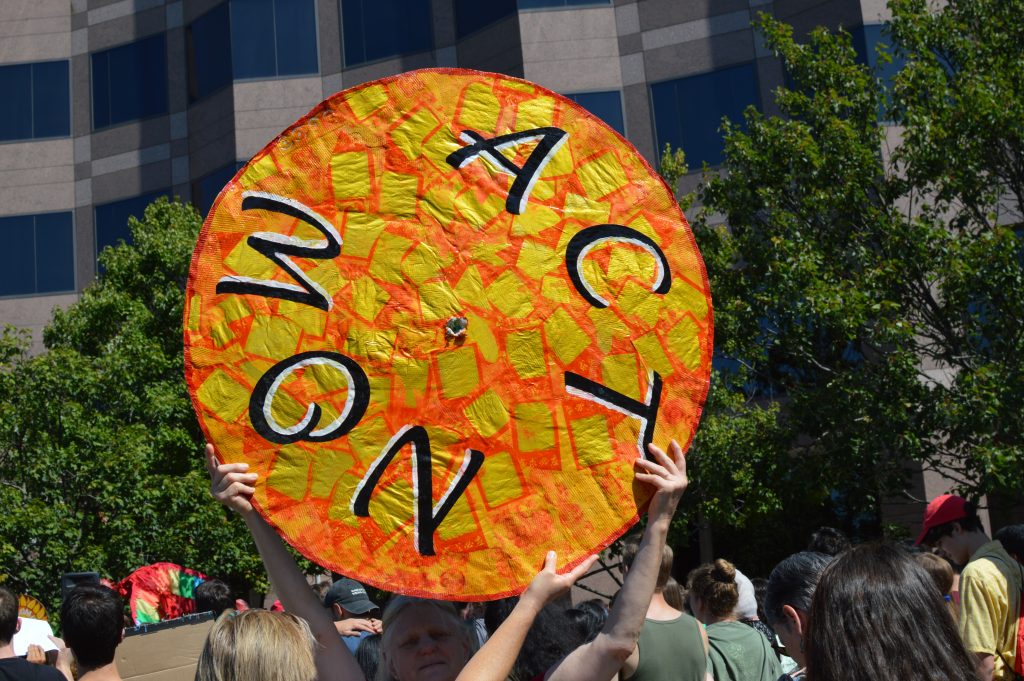
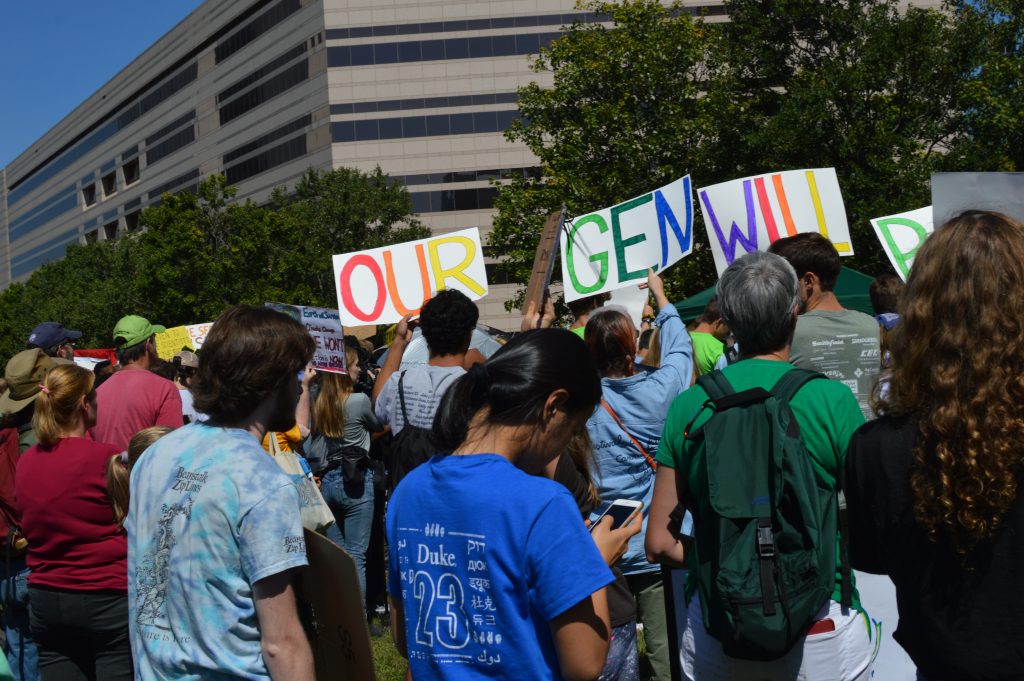
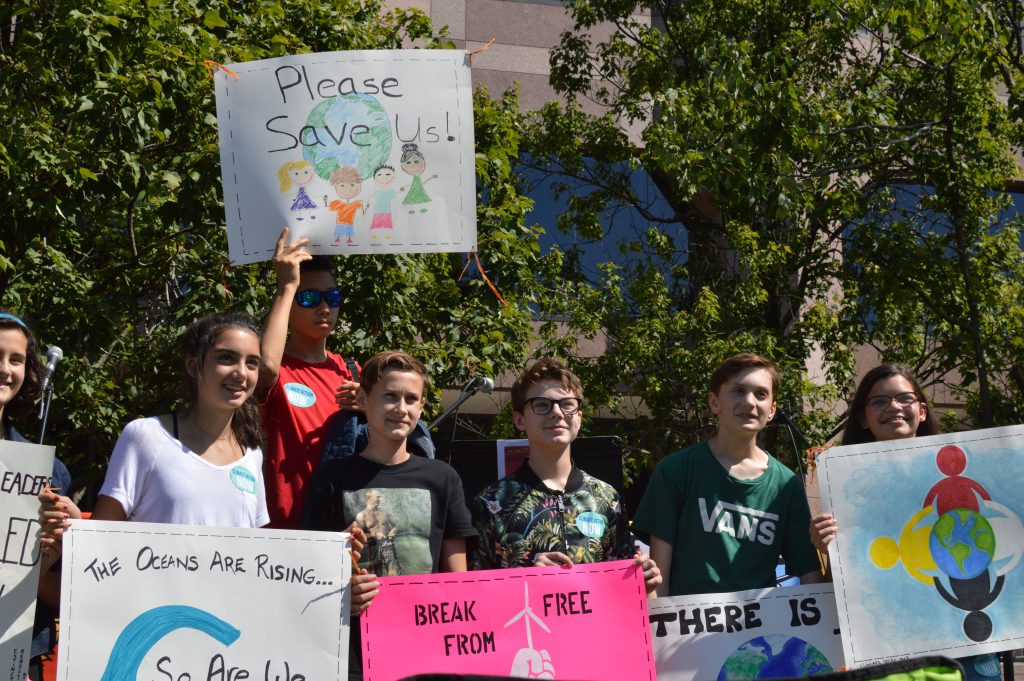
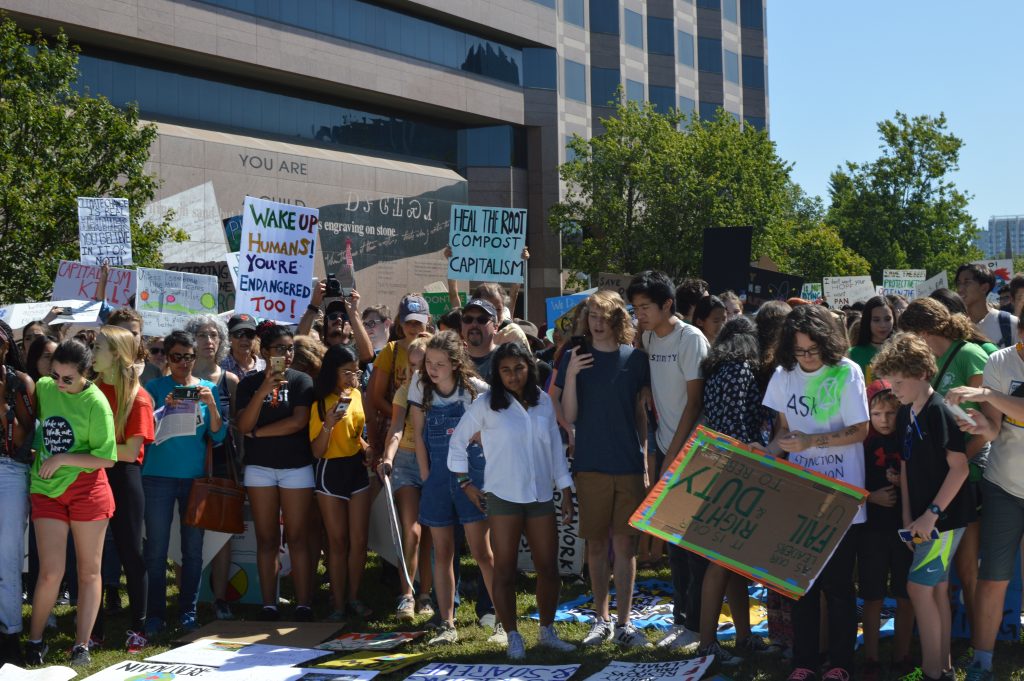
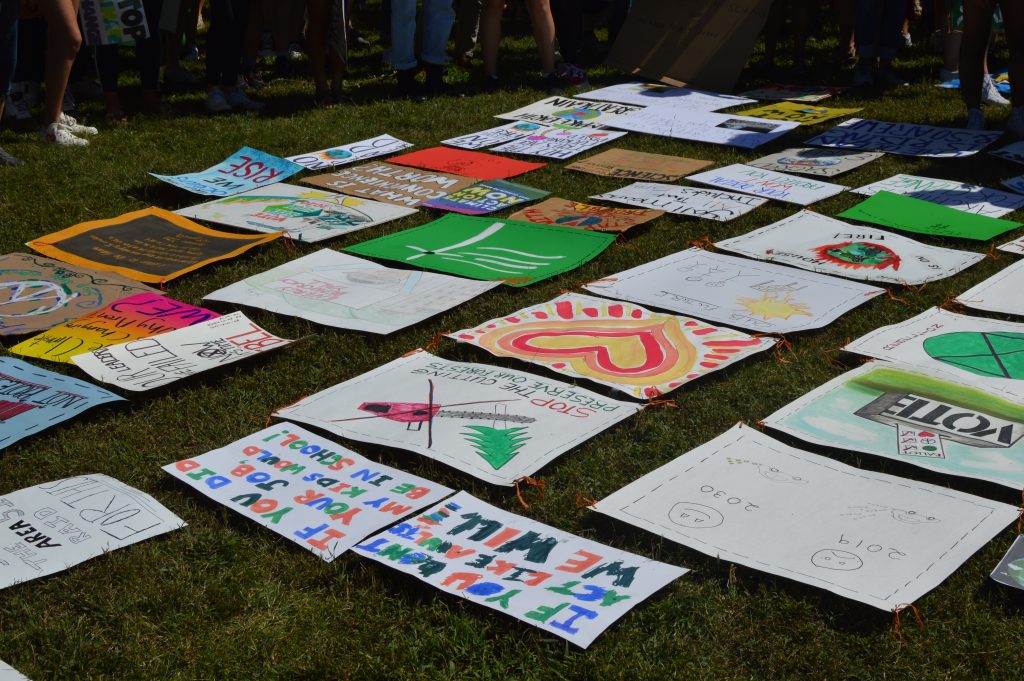
On Friday, September 20, 2019 NC Interfaith Power and Light participated in the biggest climate strike in North Carolina history. Raleigh’s event was only one strike in the hundreds that happened all over the world for the Global Climate Strike. It was the largest worldwide climate mobilization ever and the largest youth-led mobilization on any issue in history. It was estimated that 1500 youth climate leaders and adult allies came out to Raleigh striking to demand transformative action be taken to address the climate crisis.
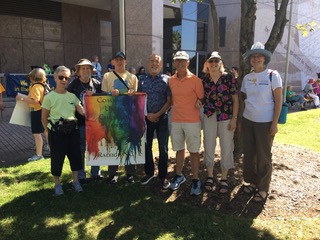
The photos below are just a snapshot of the passion and energy that was seen and felt at the Raleigh Climate Strike. Don’t miss our youth-made video of participants sharing their reasons for striking! We hope the photos and video below inspire you to take action in your own faith communities!
Rishi Ranabothu, Youth Leaders Initiative Founder
Sarah Ogletree, NCIPL Program Coordinator
Rev. Dr. Jennifer Copeland, Executive Director of the NC Council of Churches
Susannah Tuttle, Director of NC Interfaith Power and Light
Michelle Peedin, NCIPL Youth Leaders Coordinator
Gary Smith, Chair of NCIPL Energy Working Group, with his group Community United Church of Christ in Raleigh.
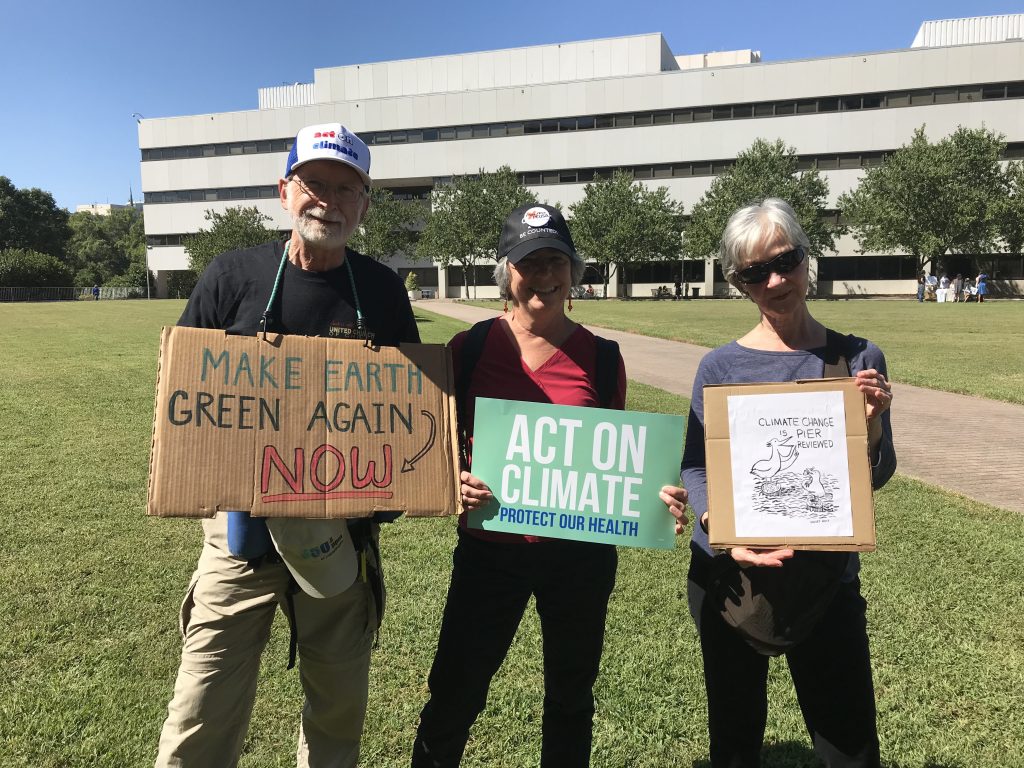
Gary, Connie, Diana from Pittsboro Presbyterian Church
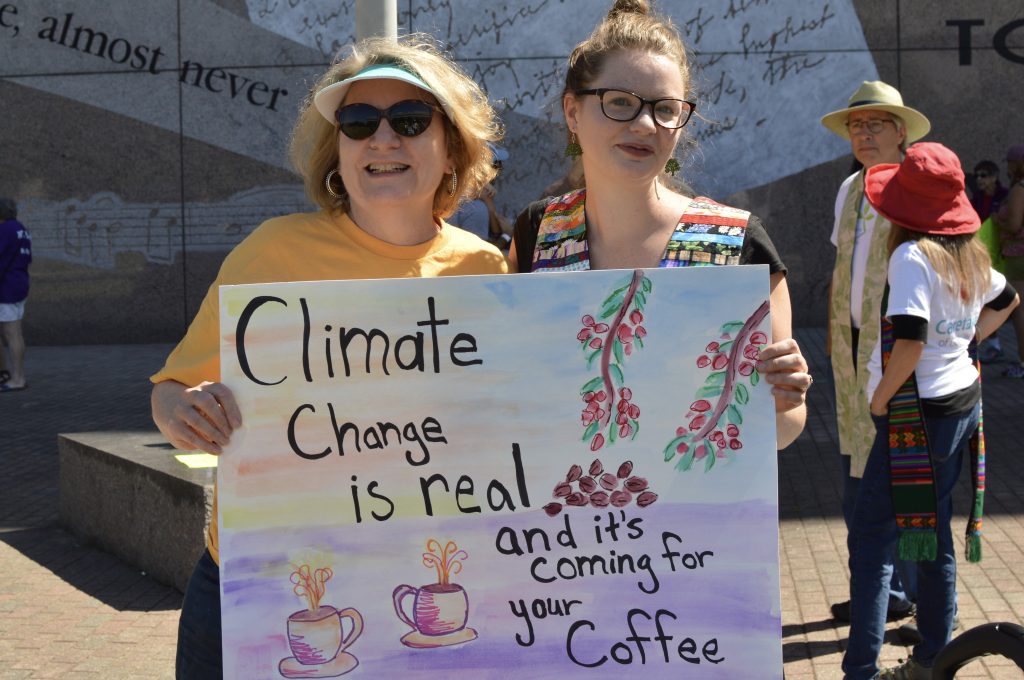
Sue Barnett from Unitarian Universalist PEACE Fellowship, Raleigh with NCIPL Program Coordinator, Sarah Ogletree
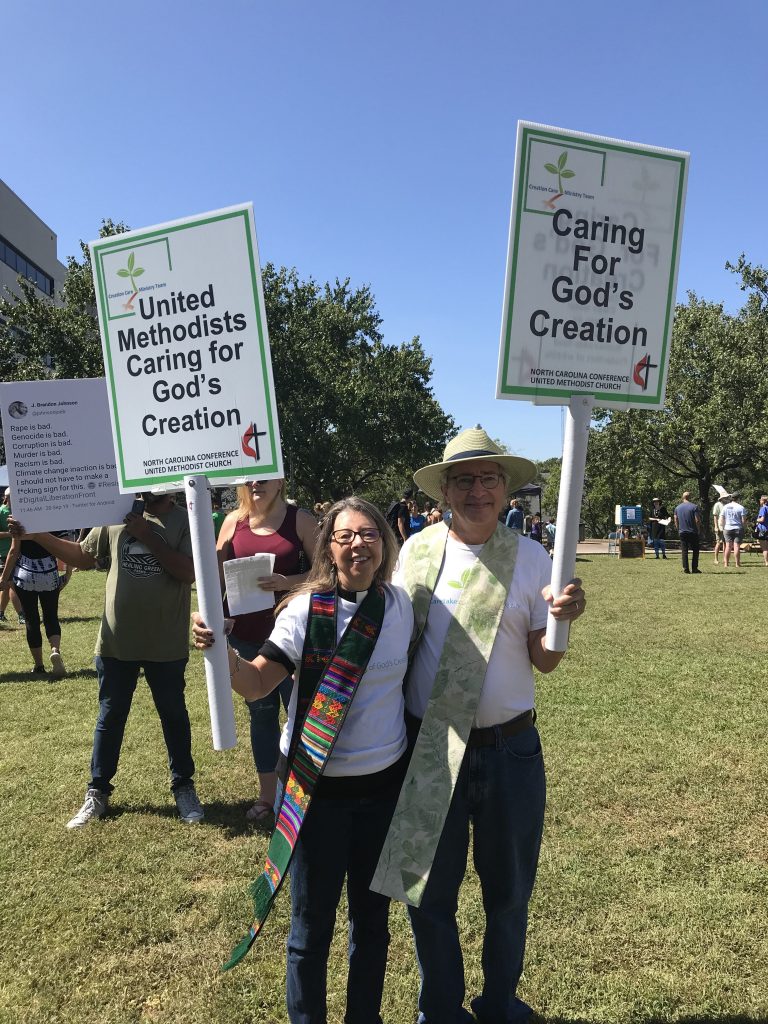
Rev. Pat Watkins and Rev. Dr. Denise Honeycutt from the United Methodist Church Caretakers of Gods Creation Community
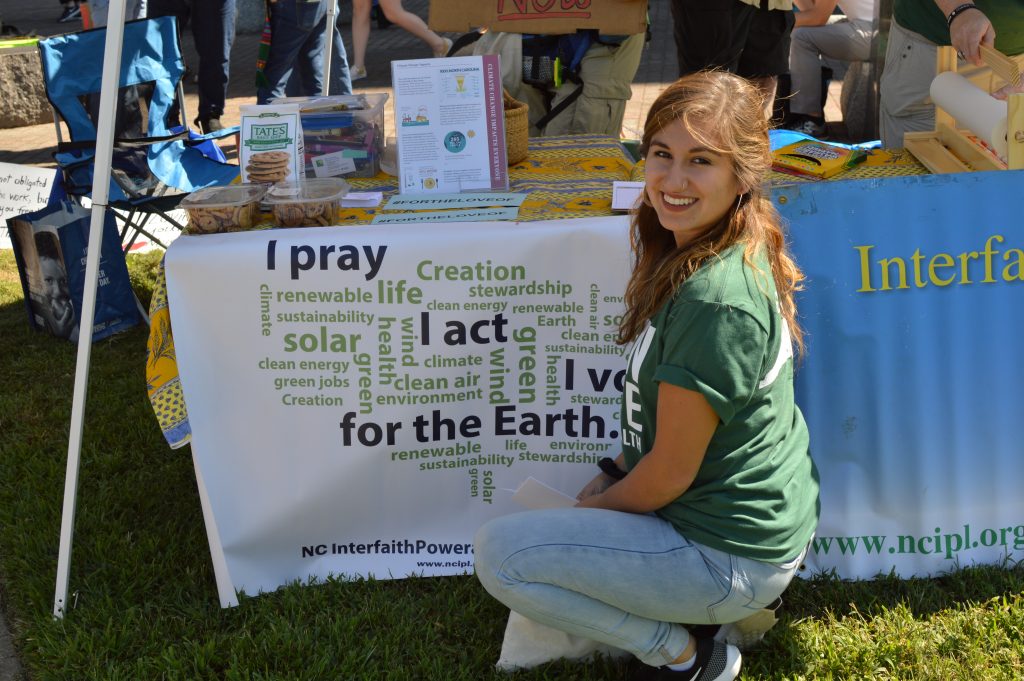
Michelle Peedin, NCIPL Youth Leaders Coordinator
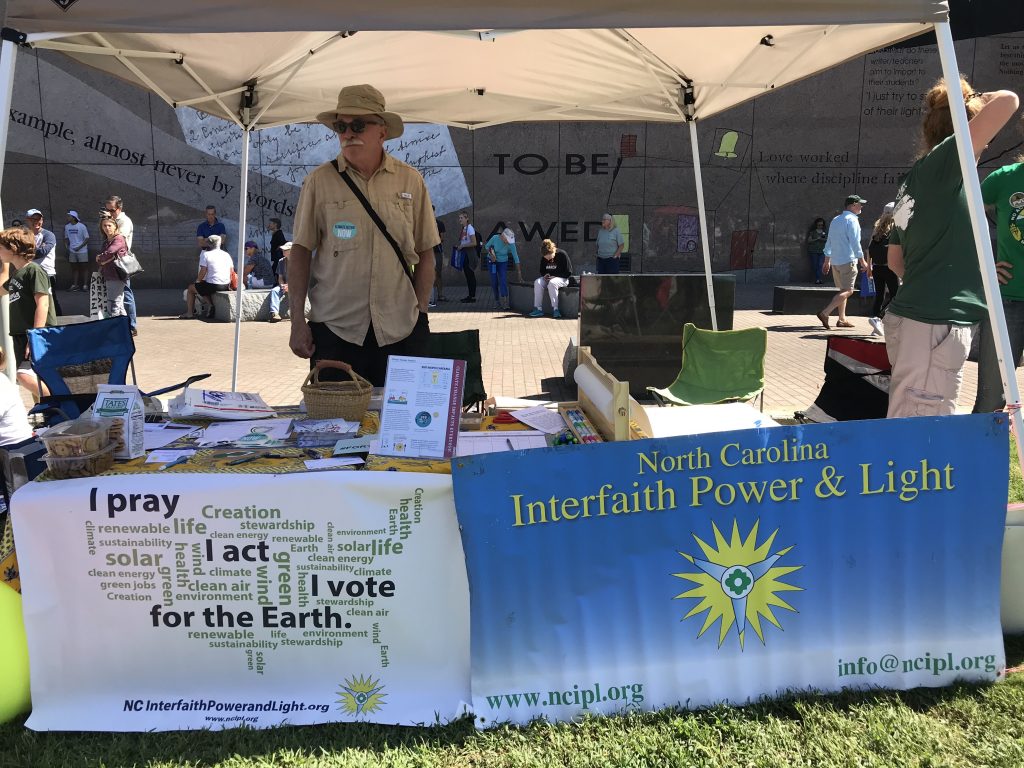
Phill Wilson from United Church of Chapel Hill
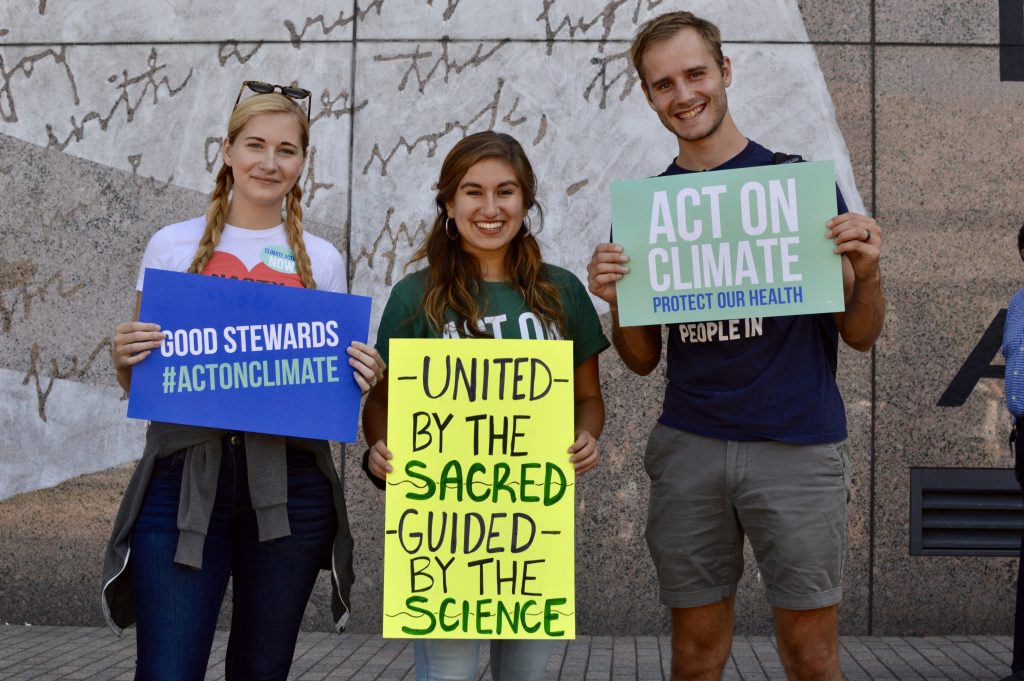
Becca Lamb, Michelle Peedin, NCIPL’s Youth Leaders Coordinator, and Avery Davis Lamb, previously with IPL DMV
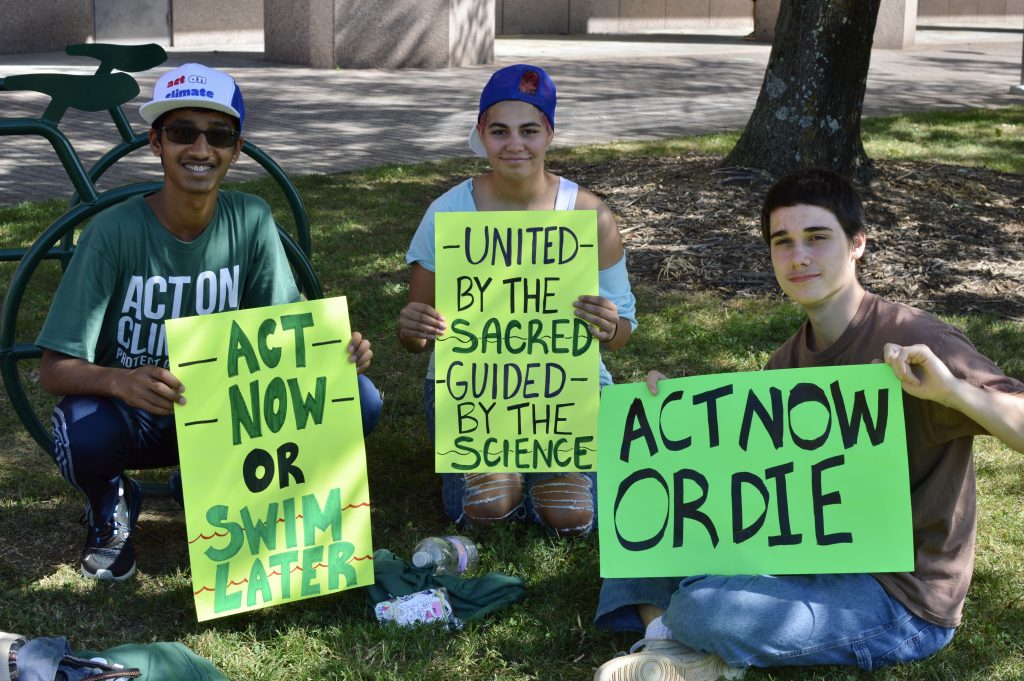
Rishi Ranabothu, Tristan Peedin, Zeke DeGette
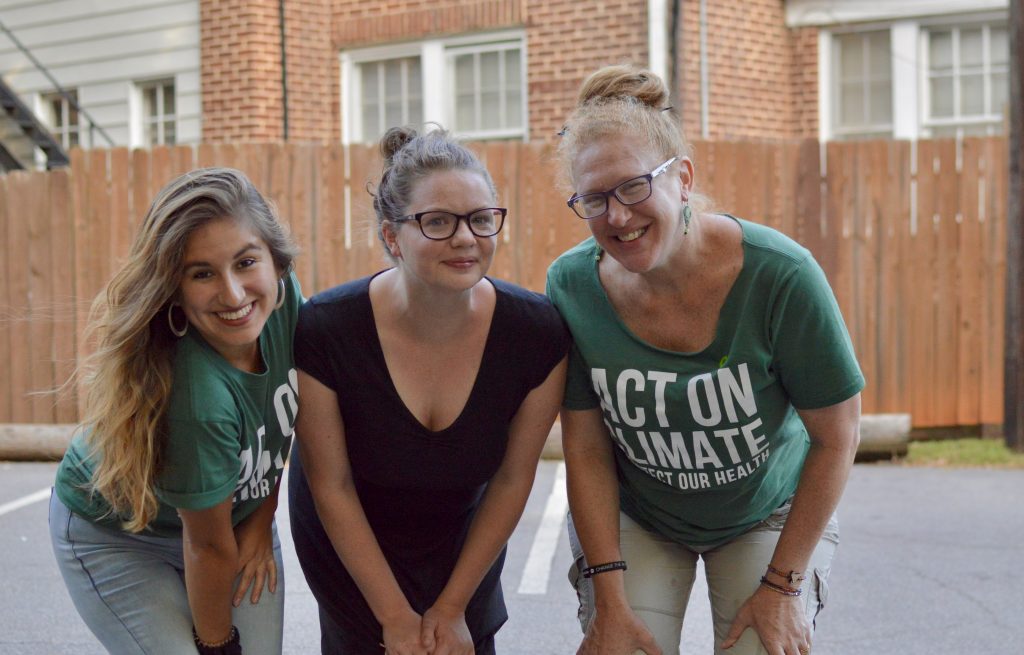
NCIPL Team: Michelle Peedin – Youth Leaders Coordinator, Sarah Ogletree – Program Coordinator,
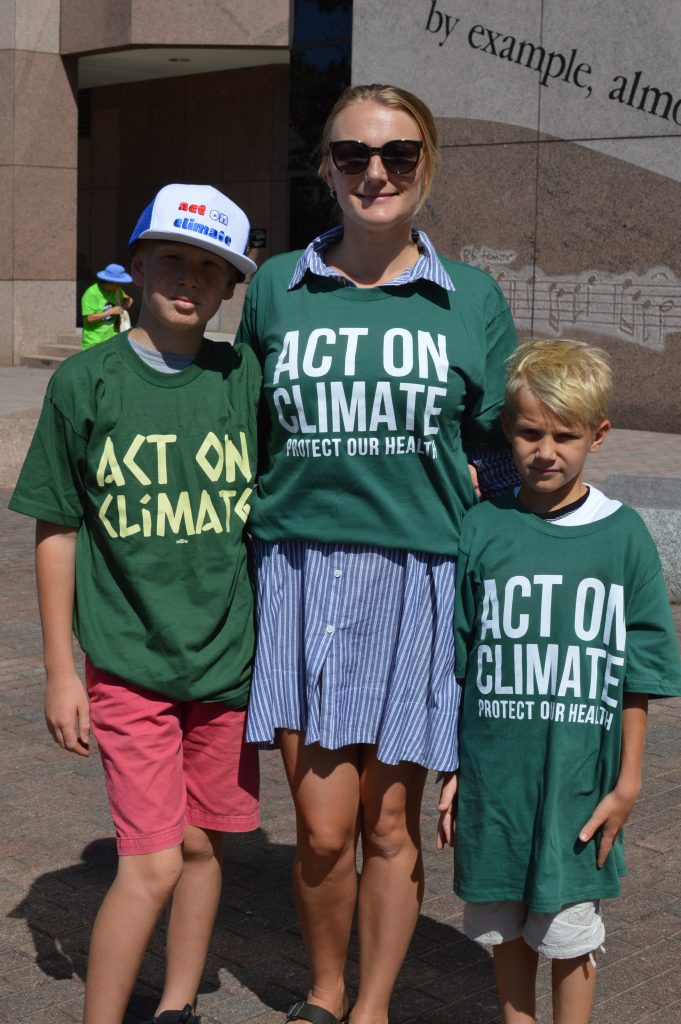
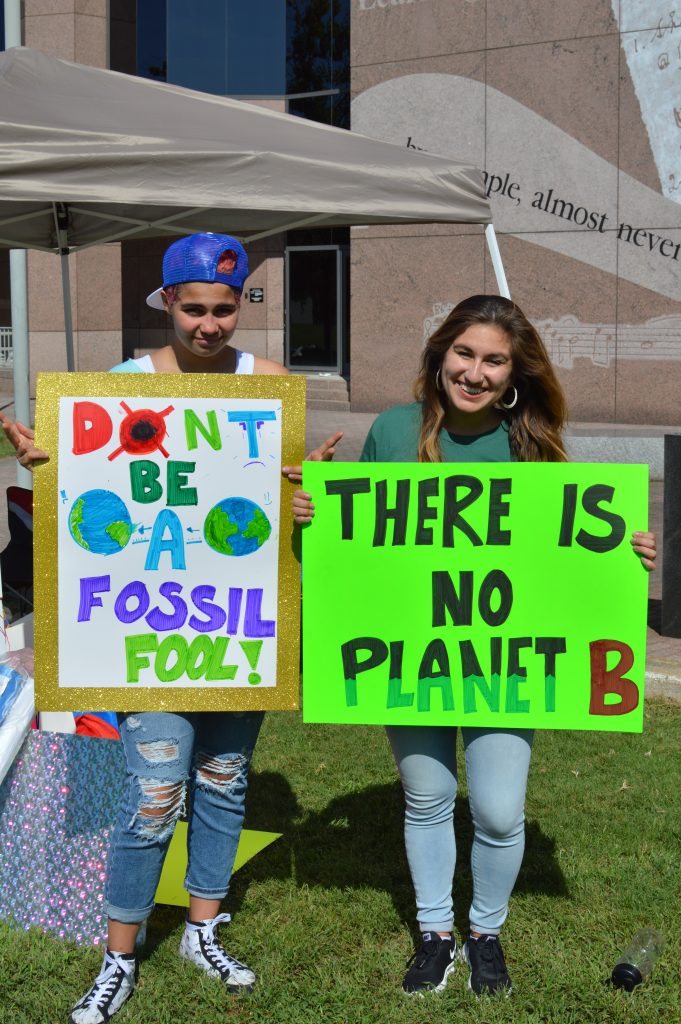
and Susannah Tuttle – Director of NC Interfaith Power and Light
Here is a video that one of our youth made. Tristan Peedin, 16 years old, interviewed and edited this compilation video of strikers at the Climate Strike last Friday in Raleigh, NC. At NCIPL we recognize that storytelling is a powerful way to educate, inspire, and mobilize this climate justice movement.
To learn more about NCIPL’s Youth Leaders Initiative or our newly forming network, Click Here.


By chris
by chris

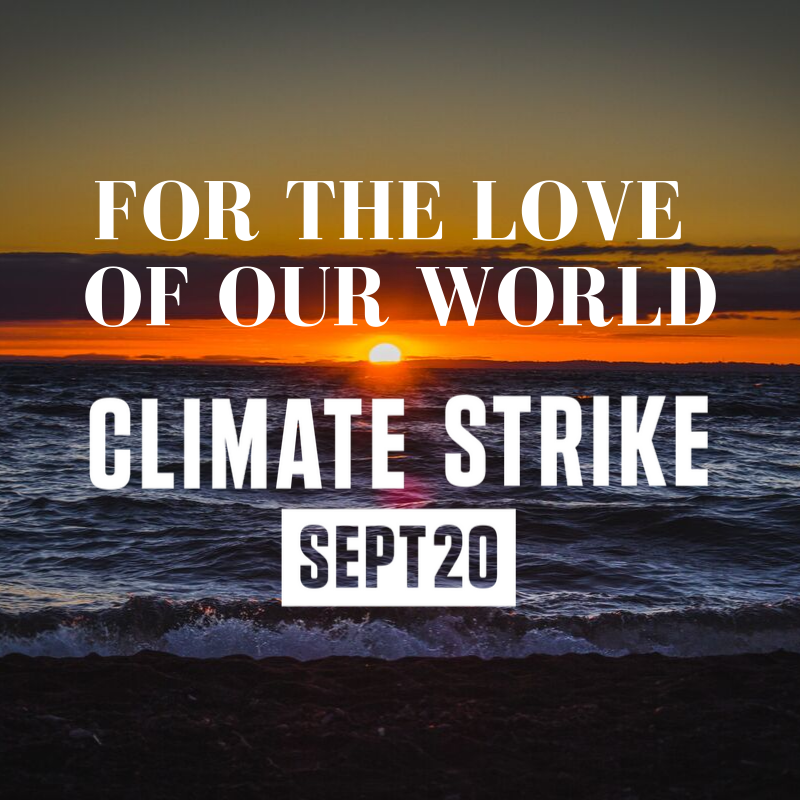
On September 20, three days before the UN Climate Summit in NYC, NC Interfaith Power and Light is joining young climate leaders and adult allies striking all across the US and world to demand transformative action addressing the climate crisis. Below is a compilation of resources for students, parents, and faith communities.
“FOR THE LOVE OF…” VIDEOS
NCIPL’s Youth Leaders Initiative has put together a short video sharing our “For the love of…” reasons for striking on Sep 20! We invite you to share your own video and tag us! Don’t forget to use hashtags to include everyone in the conversation! This is what youth climate leaders of faith look like:
CLICK HERE TO WATCH THE VIDEO ON FACEBOOK
#ForTheLoveOf #ClimateStrike #FaithsForTheFuture #FaithsForFuture #StrikeWithUs
#GlobalClimateStrike #ActOnClimate #NCIPLFIND AND/OR ORGANIZE A STRIKE NEAR YOU
strikewithus.orgMake sure to click on the title and register for your event if a link is provided.
To receive updates in preparation for the Raleigh, NC event: Register HereSIGN THIS LETTER & LET YOUR ELECTED OFFICIALS KNOW YOU SUPPORT THE STRIKES
strikewithus.org/faithPROMOTE THE STRIKE
Click here to access the social media “For the love of” promotional graphics
Click here to access the Faith Climate Strike Resources
Click here to access the US Climate Strike Social Media Toolkit
DOWNLOAD A PRINTABLE BULLETIN INSERT FOR THIS SUNDAY, SEPTEMBER 15
Printable Bulletin Insert for Climate Strike
To print half sheets:
- Click the download arrow.
- Beside format, select “All Types”
- Click on the download pop-up at the bottom left of the screen
- Click File > Print
- In the print pop-up, beside “copies per page”, select 2
RESOURCES FOR STUDENT AND ALLY ORGANIZING
Click the link to access step by step guides for students and adults and ways to get started!
globalclimatestrike.net/resources/FAITH LEADERS ORGANIZING TOOLKIT
A user-friendly check list and resources that any faith leader can use to organize their faith community.
Click here to access the toolkitPLEDGE TO CALL YOUR SENATOR/REPRESENTATIVE ON SEPTEMBER 20
Senator Tillis: (202) 224 – 6342
Senator Burr: (202) 224 – 3154
Look up your congress members and state representatives here: www.ncleg.gov/RnR/RepresentationConsider using this script as a guideline for your conversation:
Hello. My name is _________ and I live in __________, North Carolina. Today, millions of youth and their allies are striking to demand bold legislative action on climate change. I want _________ to know that I support our youth and join them in calling for climate action. This summer, there were 3,611 emergency department visits due to heat-related illnesses in North Carolina. Just this month, Hurricane Dorian ravaged Ocracoke Island. Both of these events were greatly intensified by climate change. As a person of faith, I know that climate change is a moral issue impacting people and places in my community. I ask that _________ courageously and immediately join the bi-partisan climate conversation. There is no time to waste. Thank you.
This is a moral movement that demands action from people of faith and conscience.
NC Interfaith Power and Light is co-hosting the event in Raleigh, NC at Halifax Mall from 12:30-2:30pm.
If you have any questions or comments about any of the above resources or how to get involved, feel free to email our Program Coordinator, Sarah Ogletree, at programs@ncipl.org. If you are or know a youth climate leader of faith who would be interested in joining our network, email out Youth Leader Coordinator, Michelle Peedin, at michelle@ncipl.org.
Eco-Justice Connection
27 Horne St.
Raleigh, NC 27607
(919) 828-6501
info@ncchurches.org
Click here to subscribe to newsletters and blog updates.